
How Students Earn and Invest Money Online

how students earn and invest money online

How Students Earn and Invest Money Online Most students think money will come later.

They focus only on studies and delay everything related to earning and investing. But the truth is — the students who start early don’t just earn money… they build a system that keeps growing for years.

👉 Time is your biggest advantage.
👉 If you start now, even small money can turn into something big.


📌 Introduction

Student life is not just for learning subjects — it is the best time to learn how money works.

You don’t need:

  • Big income
  • Perfect knowledge
  • Rich background

You need a simple system and consistency.

When students earn and invest money online, they develop skills, financial discipline, and long-term thinking. This combination creates real growth.


The Core Money System

Earn → Save → Invest → Grow → Repeat

🔑 Why This System Works:

  • Earning creates income
  • Saving builds control
  • Investing creates growth
  • Repeating builds wealth

👉 Without investing, earning alone is not enough.https://www.ramseysolutions.com/retirement/how-to-start-investing


💻 HOW STUDENTS EARN MONEY ONLINE

🎯 Method 1 Freelancing (Quick Start)

Freelancing is the easiest entry point.

🔹 What You Can Do:


📊 Real Example

A student starts with 2 clients:

  • ₹500 × 2 = ₹1000

After 1–2 months:

  • ₹1000 × 5 clients = ₹5000

👉 Improvement comes from practice.


Method 2 – Blogging (Passive Income)

Blogging builds long-term income.

🔹 Process:


📈 Growth Timeline

TimeIncome
3 Month₹0
6 Month₹3000+
12 Month₹10,000+

👉 Blogging rewards patience.


Method 3 – YouTube / Shorts

Video content has huge reach.

🔹 Earnings:

  • Ads revenue
  • Affiliate links
  • Sponsorship

👉 Consistency beats perfection.


Promote products and earn commission.

📊 Example:

  • 1 sale = ₹300
  • 10 sales = ₹3000

👉 No need to create product.


🎯 Method 5 – Digital Products

Create once, sell multiple times.

🔹 Examples:

  • Study notes
  • PDFs
  • Templates

👉 This creates scalable income.https://www.shopify.com/in/blog/make-money-online-for-beginners


📊 H3: Income Comparison Table

MethodDifficultyIncome Potential
FreelancingEasy₹1000–₹20,000
BloggingMedium₹3000–₹50,000+
YouTubeMedium₹5000–₹1L+
AffiliateMedium₹2000–₹30,000
Digital ProductsMedium₹5000–₹50,000

📈 PART 2 – HOW STUDENTS INVEST MONEY ONLINE

🧾 Start Early Advantage

Most students delay investing.

But students who earn and invest money online understand one thing — starting early matters more than starting big.Best Investment Options for Beginners in India (2025 Guide)


💼 Investment Options

OptionRiskReturn
Mutual FundsLow10–12%
Index FundsLow10–15%
StocksMedium12–20%+


📊 Monthly Example

Income = ₹5000

CategoryAmount
Savings₹2500
Investment₹1500
Learning₹1000

📈 Growth Calculation

1 Year:

  • Invested: ₹18,000
  • Value: ₹20,000+

3 Years:

  • Invested: ₹54,000
  • Value: ₹65,000+

5 Years:

  • Invested: ₹90,000
  • Value: ₹1.2L+

👉 Time + consistency = wealth


🧠 PART 3 – MONEY PSYCHOLOGY

❌ Common Mistakes

  • Waiting for perfect time
  • Spending all money
  • Ignoring learning

✅ Smart Habits

  • Start small
  • Invest regularly
  • Upgrade skills

🔑 Important Insight

👉 “Money grows when you control it, not when you spend it.”10 Money Mistakes to Avoid in Your 20s to Build Wealth Early

📊 COMPLETE SYSTEM

StepActionResult
1Learn skillStart earning
2Earn moneyBuild income
3InvestGrow money
4RepeatBuild wealth

📊 compound

COMPOUNDING UNDERSTANDING (IMPORTANT)

Compounding means your money earns money, and that money also earns more money.

📈 Simple Example:

YearInvestmentGrowth
1₹18,000₹20,000
2₹36,000₹42,000
5₹90,000₹1,20,000+

👉 This is how wealth is built slowly.


🚀 PRACTICAL ACTION PLAN

📅 30-Day Plan

Week 1:

Learn basic skill

Week 2:

Start earning

Week 3:

Earn ₹1000

Week 4:

Start investing


📊 REAL-LIFE SCENARIO

Rahul (student):

  • Starts freelancing
  • Earns ₹3000/month
  • Invests ₹1000/month

After 1 year:

  • Invested ₹12,000
  • Value ~₹14,000

👉 After 5 years:

  • Strong habit + higher income

💬 Final Thought

You don’t need big money to start.

You need:

  • Small steps
  • Consistency
  • Patience

Students who earn and invest money online early build a system that works for life.

👉 Start today. That’s your biggest advantage.


🔥 Key Takeaways
  • Earn small, grow big
  • Invest early
  • Focus on skills
  • Stay consistent

👉 Small actions today = big results tomorrow

Summary (Final Thought)
In this article, you learned how a student can transform their financial life by following a simple system: Earn → Save → Invest → Repeat.
First, you explored real ways to earn money online, such as freelancing, blogging, YouTube, and digital products.
Then, you understood how to invest that money smartly using options like stocks and mutual funds.
Most importantly, you learned that:
👉 Starting early gives a huge advantage
👉 Consistency + compounding builds real wealth
Even small investments, if started early, can grow into something big over time.

Call To Action (CTA)👉 If you want to start your earning and investing journey, take your first step today:✔ Choose one earning method✔ Invest your first small amount (₹100–₹500)✔ Follow this system consistently💡 Remember:“Don’t wait for the perfect time — starting is what creates success.”
How can students start earning money online?

Students can start by learning simple skills like writing, design, or video editing and use platforms like freelancing, blogging, or YouTube to earn money.how students earn money online

How much money should a student invest at the beginning?

A student can start investing with a small amount like ₹100–₹500 and increase it gradually over time.

What is the best investment option for students?

For beginners, mutual funds and stocks are good options because they help grow money over time with compounding

Why is starting early important in investing?

Starting early gives more time for compounding, which helps small amounts grow into large wealth in the future.

How Students Can Protect Their Money During an Economic Crisis Beginner Guide

how students can protect their money during an economic crisis

In today’s uncertain world, understanding how students can protect their money during an economic crisis is not just important—it’s essential. Whether it’s a global recession, war situation, or sudden market crash, students are often the most vulnerable because they usually have limited income, little financial experience, and high dependency on savings. This guide will help you understand practical, real-world strategies to protect your money, even if you are starting with a small amount.


Why Students Are More Vulnerable in a Crisis

Students face unique financial challenges:

  • Limited income sources
  • Lack of emergency funds
  • High dependency on parents or loans
  • Emotional decision-making during panic

👉 Example:
If a student has ₹5,000 saved and the market crashes, panic selling or wrong investment can wipe out a large portion quickly https://www.nerdwallet.com/article/finance/financial-literacy


Understanding Economic Crisis (Simple Explanation)

An economic crisis means:

  • Stock markets fall 📉
  • Inflation increases 💸
  • Jobs become scarce
  • Value of money changes

👉 Example:
If inflation rises from 5% to 10%, your ₹1,000
loses more value faster Safe Investment Guide for Students During War Economic Crisis


Step-by-Step Guide: How Students Can Protect Their Money During an Economic Crisis

1. Build a Mini Emergency Fund First Priority

Even as a student, aim for:

  • ₹2,000 – ₹10,000 (India)
  • $50 – $200 (Global)

👉 Formula:

Emergency Fund = Monthly Expenses × 2

Example:
If your monthly expense = ₹3,000
👉 Fund needed = ₹3,000 × 2 = ₹6,000
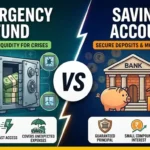
How to Build an Emergency Fund in 2026 Beginner Guide Step by Step Plan


2. Avoid High-Risk Investments

During a crisis:

❌ Crypto hype
❌ Penny stocks
❌ “Get rich quick” schemes

👉 Focus on:


3. Diversify Your Money (Golden Rule)

Never keep all money in one place.

Simple Allocation Example:

Category% AllocationAmount (₹5,000 Example)
Savings40%₹2,000
Investment40%₹2,000
Cash20%₹1,000
https://www.investopedia.com/terms/d/diversification.asp

👉 This reduces risk if one area fails.


4. Invest in Low-Risk Options

Best options for students:

  • Index funds
  • Government bonds
  • Gold (small allocation)

👉 Example:

If you invest ₹500/month in an index fund:

After 12 months = ₹6,000 + growth


5. Learn Basic Money Skills Most Powerful Asset

Instead of only saving money, invest in knowledge:

  • Budgeting
  • Investing basics
  • Financial psychology

👉 Free learning resources:


6. Control Spending Crisis Survival Skill

Follow the 50-30-20 rule (modified for students):

  • 50% → Needs
  • 30% → Learning / growth
  • 20% → Saving

👉 If income = ₹2,000

  • Needs = ₹1,000
  • Learning = ₹600
  • Saving = ₹400

7. Keep Some Cash Ready

In crisis:

  • ATMs may fail
  • Digital payments may slow

👉 Always keep 10–20% money in cash.


8. Avoid Debt Traps

Biggest mistake students make:

❌ Taking loans during crisis
❌ Using credit cards irresponsibly

👉 Rule:

If you can’t repay in 30 days, don’t borrow.


If You Are in India 🇮🇳

  • Use SIP (₹500/month)
  • Invest via trusted apps
  • Prefer government-backed schemes
  • Keep money in bank + liquid funds

If You Are in Other Countries 🌍

  • Use ETFs
  • Use savings accounts with interest
  • Focus on diversification
  • Avoid speculative assets

Common Mistakes Students Must Avoid

  • Panic selling
  • Following social media hype
  • Investing without knowledge
  • Ignoring emergency fund

Real-Life Scenario Example

Let’s say:

Student A has ₹5,000

Wrong Approach:

  • Invest all in risky stock
  • Market crashes → Loss 40%
    👉 Remaining = ₹3,000

Smart Approach:

CategoryAmount
Savings₹2,000
Investment₹2,000
Cash₹1,000

👉 Even if market falls:

  • Loss limited
  • Cash available
  • Stability maintained

Long-Term Mindset (Most Important)

Economic crisis is temporary, but your habits are permanent.

👉 Focus on:

  • Consistency
  • Discipline
  • Learning

Final Thoughts

Understanding how students can protect their money during an economic crisis is not about being rich—it’s about being smart. Even with a small amount, you can build strong financial habits that will protect you not just during a crisis, but throughout your life.

👉 Start small
👉 Stay consistent
👉 Think long-term


Quick Summary

Quick Summary

  • Build emergency fund
  • Avoid risky investments
  • Diversify money
  • Learn financial skills
  • Control spending

If you follow these steps, you won’t just survive a crisis—you’ll come out stronger than others.

How can students protect their money during an economic crisis?

👉 Students can protect their money by building an emergency fund, avoiding high-risk investments, diversifying their savings, and controlling unnecessary expenses. Even small steps like saving regularly and keeping some cash aside can make a big difference during uncertain times.

What are the safest investment options for students in a crisis?

👉 The safest options include savings accounts, index funds, government bonds, and gold. These are low-risk investments that help preserve money instead of exposing it to sudden market crashes.

How much money should a student save for emergencies?

👉 A student should aim to save at least 2–3 months of their basic expenses. For example, if monthly expenses are ₹3,000, the emergency fund should be around ₹6,000–₹9,000.

Is it better to invest or save money during an economic crisis?

👉 A balanced approach is best. Students should keep a portion of their money in savings for safety and invest a small amount in low-risk options to grow their wealth slowly.

Student Income | Money Psychology | Smart Finance

Safe Investment Guide for Students During War Economic Crisis

Safe Investment Guide When the world feels unstable—wars rising, economies shaking—most people panic. But smart investors? They prepare. If you’re a student, this is your biggest hidden opportunity.

Introduction

Safe Investment Guide for Students In times of war and economic crisis, financial uncertainty becomes the new normal. Markets fluctuate, inflation rises, and job security weakens For students, this can feel over whelming but it’s also the best time to build strong financial habits.This Safe Investment Guide for Students will help you understand where to invest, how to protect your money, and how to think like a long-term investor even during global instability.

Understanding War & Economic Crisis Impact

Market Volatility

During war, stock markets fluctuate rapidly due to fear and uncertainty.

Key Points Prices fall quickly Recovery takes time Emotional decisions increase losses

Example During global crises, markets may fall 20–30% within months.

Inflation Risk Inflation reduces the purchasing power of money

Simple Calculation:

If inflation = 6%₹10,000 today = ₹9,400 value next year👉 So saving money without investing = loss https://www.imf.org/en/publications/fandd/issues/2022/03/the-long-lasting-economic-shock-of-war

Safe Investment Strategy for Students

Emergency Fund Foundation steps

What to Do:

Save 3–6 months of expensesKeep it in liquid form

Where to Kee Savings accountLiquid mutual fund

Gold Investment Crisis Protection Asset

Why Gold Safe during war Protects against inflation Options Digital Gold Gold ETFs Sovereign Gold Bonds

EXAMPLE If gold rises 10% during crisis₹5,000 → ₹5,500

Fixed Deposits Low Risk Stability

Benefits Fixed returns Capital safety

Best Use: Short-term saving Risk free portion Example ₹10,000 FD @ 6% = ₹10,600 after 1 year

Index Funds Long Term Growth

Why Index Funds

Diversified Low cost Market recovery benefit Strategy Use SIP Systematic Investment Plan

Example Calculation: ₹1,000/month SIP Return 12% annually After 5 years ≈ ₹82,000+

Government Bonds High Safety

Features. Backed by governmentStable returns BestTop 10 Finance Skills That Can Help Students Earn Money in Real Life For:Capital protectionLow-risk investors

What Students Should Avoid

Panic Selling

Selling in fear locks losses.👉 Smart Rule:Hold quality investments

High-Risk Assets

Avoid during crisis:Crypto hype Penny stocks Get rich quick schemes

No Planning

Random investing = gambling👉 Always:Set goal Manage risk10 Money Mistakes to Avoid in Your 20s to Build Wealth Early

Smart Portfolio Allocation

Recommended Allocation (Beginner Students)

Asset typ Persentage

EMERGENCY Fund40%
ENDEX FUND

GOLD

CASE
30%

20%

10%

Example Portfolio (₹10,000 Budget)

Example Portfolio₹10,000 Budget
₹4,000 →Emergency fund
₹3,000 →Index fund SIP
₹2,000 →Gold

👉 Balanced + Safe + Growth

Real Life Scenario

Student A

Invests randomly Panics during crash Withdraws money

Student B

Follows strategy Keeps emergency fund Continues SIP

After 3 And 5 years

Student A = LossStudent B = Wealth growth

Conclusion

In times of war and economic crisis, uncertainty is unavoidable—but financial damage is not. Students who focus on safety, discipline, and smart decision-making can protect their money and even build long-term wealth.Instead of chasing quick profits, the goal should be stability, consistency, and learning. By following the right investment strategy, even a small amount of money can grow into a strong financial foundation over time.

Summary (Quick Recap)

Want to become financially smart as a student?Start today by creating your first emergency fund and making your first small investment. Don’t wait for the “perfect time”—because in investing, consistency beats timing.👉 Explore more guides on smart investing and build your financial future step by step.

Q1. What is the safest investment option for students during a crisis?

The safest investment options for students during war or economic crisis include emergency funds, fixed deposits, gold, and government bonds. These options provide stability and protect your capital from major losses.

How much money should a student invest initially?

Students can start investing with as little as ₹500–₹1000 per month. The key is consistency, not the amount. Starting small helps in building financial discipline over time.

Is it safe to invest in the stock market during a crisis

Yes, but only with a long-term approach. Instead of investing in risky stocks, students should prefer index funds or SIPs, which reduce risk and benefit from market recovery.

Why is an emergency fund important before investing?

An emergency fund ensures that you have money available for unexpected expenses like medical emergencies or job loss. It prevents you from withdrawing investments during a crisis.

Student Income | Money Psychology | Smart Finance

CTA (Call To Action)Want to become financially smart as a student?Start today by creating your first emergency fund and making your first small investment. Don’t wait for the “perfect time”—because in investing, consistency beats timing.👉 Explore more guides on smart investing and build your financial future step by step
Begin Your Investment Journey
👉 Build Your Financial Future Today
👉 Start Investing Smartly
👉 Create Your Safe Investment Plan
👉 Learn Safe Investing Now

10 Money Mistakes to Avoid in Your 20s to Build Wealth Early

Most people make financial mistakes 10 Money Mistakes to Avoid in Your 20s in their 20s without realizing it.Unfortunately, these small mistakes can cost thousands in the future.

introduction

Your 20s are the most important years for building strong financial habits. Unfortunately, many young adults make common money mistakes in their 20s that can affect their financial future for years. Small decisions like overspending, delaying investments, or ignoring savings may seem harmless today but can cost a lot in the long run. In this guide, you will learn the biggest money mistakes to avoid in your 20s and simple strategies to build wealth early

Comparison Table (Article emage

Not Learning How Money Works

Deep Question

Why do people spend years learning skills for a job but almost no time learning how to manage the money they earn?

Most education systems teach:

mathematics science history

But they rarely teach:

budgeting investing wealth building financial psychology

Because of this, many young adults enter the real world financially unprepared.They earn money but don’t know how to grow it.

What Happens Without Financial Knowledge?

When financial knowledge is missing:money is spent emotionally savings stay low investments never start

Over time, this creates long-term financial problems.

Start building financial knowledge early.Spend 20–30 minutes daily learning personal finance.

You can learn from:finance blogs investing podcastsfinance book case studies of successful investorshttps://www.britannica.com/money/money/Credit-and-money http://EARN MONEY AS A STUDENT JUST A PHONE, NO INVESTMENT

Spending Without Awarenes

Do you actually know where your money goes every month?Most people don’t.Small daily expenses slowly drain financial progress.

Examples include:

food delivery online subscriptions impulse shopping digital purchases

Each expense feels small.But combined together, they create large monthly spending.

Why This Happens

Spending is emotional.People spend money to feel:comfort excitement social validation

This emotional spending creates financial instability.

Start tracking every expense.When you track money, two things happen:You become aware of spending habitsYou start making intentional financial decisionshttps://www.nerdwallet.com/finance/learn/how-to-budget

You can control your spending by creating a simple monthly budget.Simple Investing Habits Rich People Use to(2025 Guide)

Ignoring the Power of Compound Interest

Compound interest is one of the most powerful wealth-building tools.

Yet most people ignore it during their 20s.

What happens when money grows over time?Money begins earning returns.Those returns generate additional returns.Over many years, the growth becomes exponential.

Simple Example

Two investors Two investors start investing:
Investor A starts at age 22.
Investor B starts at age 32.
Even if Investor B invests more money later, Investor A may still end up with more wealth.
Why?
Because time multiplies investment growth.

or A starts at age 22.Investor B starts at age 32.Even if Investor B invests more money later, Investor A may still end up with more wealth.Why?Because time multiplies investment growth.

Smart Solution

Start investing as early as possible.Even small monthly investments can grow significantly over time.https://www.techopedia.com/definition/compound-interest?utm_source=chatgpt.com

Learn how long-term investing works in our stock market investing guide.Best Investment Options for Beginners in India (2025 Guide)

Avoiding Investing Because of Fear

Many young adults avoid investing completely.

Because they believe investing is:

But here is a deeper question.Is keeping all your money in cash actually safe?Inflation slowly reduces the value of money.This means money sitting idle loses purchasing power every year.

Smart Investment Thinking

Instead of asking:“How can I make quick profits?”Ask a better question:“How can I invest consistently for the next 10–20 years?”Long-term investing reduces risk significantly.https://www.nasdaq.com/articles/10-investment-tips-help-beginners-succeed

Practical Strategy

Begin with simple investBest Investment 2026 High Return Investment Future Investment Sectors Stock Market Sectors 2026 Investment Guide 2026 Long Term Investment Indiaments:index funds ETF diversified portfolio

Trying to Look Rich Instead of Becoming Rich

Social media has created a dangerous financial mindset.

Many people spend money to appear successful.
They buy expensive things to impress others.
But real wealth does not look flashy.

asset s investments businesses financial freedom

Important Question

Before buying something expensive, ask yourself:“Am I buying this for my life or for other people’s approval?”This question can prevent many unnecessary expenses.https://www.investopedia.com/terms/l/lifestyle-inflation.asp

Focus on building assets instead of lifestyle inflation.Assets generate income.Income creates financial freedomSimple Investing Habits Rich People Use to Stay Wealthy (2025 Guide)

Not Building an Emergency Fund

Unexpected situations happen in life.

Examples include:

job los medical emergencies family responsibilities economic uncertainty

Without financial preparation, even small problems become financial crises.

Important Question

If your income stopped today, how long could you survive financially?Many people cannot survive even one month without income.How to Build an Emergency Fund in 2026 Beginner Guide Step by Step Plan

Smart Solution

Build an emergency fund covering 3–6 months of living expenses.This fund provides financial stability during uncertain situations.https://www.federal.bank.in/building-an-emergency-fund

Ignoring Skill Development

Your biggest financial asset in your 20s is not money.

It is your ability to earn income.

People who continuously develop valuable skills increase their earning potential dramatically.

Important Question

What determines your future income?Your skills.People with valuable skills create more opportunities.

High-Value Skills to Learn

Examples include:

digital marketing programming sales communication content creation investing knowledge Top 10 Finance Skills That Can Help Students Earn Money in Real Life

Smart Strategy

Invest in skill development.Skills increase income.Income increases investments.Investments create wealth.https://blog.hubspot.com/404?url=%2Fmarketing%2Fhigh-income-skills&domain=blog.hubspot.com

Conclusion

Your 20s are the foundation of your financial future.Most money problems later in life start with mistakes made during this decade.But if you focus on the right financial habits early, you create a powerful advantage.

Remember these key principles:

learn how money workstrack spendingstart investing earlybuild financial safetydevelop valuable skills

Wealth is not created by one decision.It is created by thousands of small financial decisions over time.Start making those decisions today.Your future self will thank you.

Short Summary
Your 20s are the most important time to build good money habits. Many people make mistakes like spending without tracking money, delaying investing, trying to look rich, not saving for emergencies, and ignoring financial education. These small mistakes can create big financial problems later. To avoid them, learn about money, control spending, start investing early, build an emergency fund, and keep improving your skills. Smart decisions in your 20s can build long-term wealth and financial freedom. 💰📈

  • How Students Can Protect Their Money During an Economic Crisis Beginner Guide

    How Students Can Protect Their Money During an Economic Crisis Beginner Guide

    💡 Student Money Safety Guide Worried about your money in a crisis? Learn simple ways to save, invest, and stay safe. Start protecting your money today

  • Safe Investment Guide for Students During War  Economic Crisis

    Safe Investment Guide for Students During War Economic Crisis

    What do smart investors do during a crisis that most students don’t? This safe investment strategy will change your thinking.”

  • 10 Money Mistakes to Avoid in Your 20s to Build Wealth Early

    10 Money Mistakes to Avoid in Your 20s to Build Wealth Early

    Your 20s shape your financial future. Learn the most common money mistakes young people make and expert tips to avoid them and build wealth early.

  • How to Build an Emergency Fund in 2026 Beginner Guide  Step by Step Plan

    How to Build an Emergency Fund in 2026 Beginner Guide Step by Step Plan

    Learn how to build an emergency fund in 2026 with a simple, step-by-step beginner guide. Secure your finances and gain peace of mind.

  • Top Mutual Funds With 35%+ One-Year Returns — Deep Dive Analysis & Guide (2026 Data)

    Top Mutual Funds With 35%+ One-Year Returns — Deep Dive Analysis & Guide (2026 Data)

    Future-ready mutual funds designed for long-term wealth creation and financial security.

  • How to Save Money When Income Is Low (Practical Guide for Beginners)

    How to Save Money When Income Is Low (Practical Guide for Beginners)

    INTRODUCTION When your income is low, saving money feels impossible.You earn little, bills are many, and by the end of the month, nothing is left.I have been in this situation. Here, you will learn how to save money when income is low, using simple habits, real-life thinking, and practical steps — no complex finance words.…

  • 7 Legal Online Income Ideas for Students in 2026 (Without Investment)

    7 Legal Online Income Ideas for Students in 2026 (Without Investment)

    Looking for safe online income? Explore 7 legal online earning ideas for students in 2026 with verified platforms and zero investment.

  • ETF vs Mutual Fund: Which Is Better? (Complete 2026 Guide) 📊💡

    ETF vs Mutual Fund: Which Is Better? (Complete 2026 Guide) 📊💡

    1. Introduction: What Are ETFs & Mutual Funds? Investing doesn’t have to be complicated — two of the most common ways to invest are ETFs (Exchange-Traded Funds) and Mutual Funds. Both pool money from many investors to buy a basket of securities like stocks or bonds, but how you buy them, cost, taxation, and flexibility…

  • Best 7 Performing Investment Sectors in 2026: High-Return Guide

    Best 7 Performing Investment Sectors in 2026: High-Return Guide

    Best Performing Investment Sectors 2026 – Futu

  • Best Saving Schemes for Middle Class Family (India)

    Best Saving Schemes for Middle Class Family (India)

    introduction Best Saving Schemes for Middle Class Family (India. Saving money wisely is one of the most important financial habits for a middle-class family in India. With rising inflation and increasing expenses, having a clear plan for saving and investing can secure your family’s future. This guide covers top saving schemes for 2025, tailored specifically…

  • Post Office Saving Schemes for Middle Class – Complete Guide

    Post Office Saving Schemes for Middle Class – Complete Guide

    introduction Post Office Saving Schemes for Middle Class – Complete GuideFor a middle-class family in India, the biggest financial priorities are safety, stable returns, and long-term security. Not everyone is comfortable with stock market risk or private investment products. This is where Post Office Saving Schemes become a trusted, government-backed solution.In this article, you will…

  • 52 Week Money Challenge India 2025: Save ₹68,900 Easily

    52 Week Money Challenge India 2025: Save ₹68,900 Easily

    Introduction Saving money is not about cutting every expense — it’s about small, consistent habits that grow over time.The most viral and effective saving method in 2025 is the 52 Week Money Challenge. This simple but powerful challenge helps you build a strong saving habit without stress, without strict budgeting, and without big income. Let’s…

  • 10 Easy Ways to Make Money at Home (Beginner Friendly Guide)

    10 Easy Ways to Make Money at Home (Beginner Friendly Guide)

    introduction 10 Easy Ways to Make Money at Home” is not just a topic today, it has become a real need. Many people want to earn money from home — students, housewives, working professionals, and beginners. The good news is, with just a smartphone and an internet connection, there are several simple and practical ways…

  • Top High-Return Mutual Funds for 2026 (AI-Predicted Expert

    Top High-Return Mutual Funds for 2026 (AI-Predicted Expert

    Introduction Investing in mutual funds is becoming Top High-Return Mutual Funds for 2026 (AI-Predicted Expertone of the smartest and safest ways to build long-term wealth in India. As we move towards 2026, millions of new investors are entering the market with the goal of achieving higher returns, lower risk, and stable long-term growth. But with…

  • Simple Investing Habits Rich People Use to(2025 Guide)

    Simple Investing Habits Rich People Use to(2025 Guide)

    Simple Investing Habits Rich People Use to(2025 Guide) more — it’s about managing, multiplying, and protecting money wisely.Rich people follow some simple, repeatable investing habits that help them stay wealthy for decades.In this guide, you’ll learn those exact habits, simplified for beginners in India. Introduction Most people think rich people follow complicated strategies, but in…

  • 2025 Investors Mutual Fund: Your Essential Blueprint for Building  wealth

    2025 Investors Mutual Fund: Your Essential Blueprint for Building wealth

    This essential blueprint shows investors how to master mutual fund investing in 2025. Learn the step-by-step strategy for SIP, choosing low-cost direct schemes, and securing long-term wealth creation. Read the full Investors Mutual Fund guide now!

  • How to Start Investing: Step-by-Step Beginner’s Guide to Grow Your Money🤑

    How to Start Investing: Step-by-Step Beginner’s Guide to Grow Your Money🤑

    introduction How to Start Investing: Step-by-Step Beginner’s Guide to Grow Your Money 🌱 Introduction: Small Steps That Build Big Wealth If you’ve ever wondered “Where do I even start with investing?”, you’re not alone.Most successful investors started with zero knowledge — just curiosity and a small amount of money. The truth is: investing isn’t about…

  • 🔥 The FIRE Mindset: How the Middle Class Can Achieve Financial Freedom and Retire Early

    🔥 The FIRE Mindset: How the Middle Class Can Achieve Financial Freedom and Retire Early

    🪙 Introduction The FIRE Mindset: How the Middle Class Can Achieve Financial Freedom and Retire Early Most middle-class people work their whole lives hoping to retire at 60 — but by that time, they’re tired, stressed, and still paying EMIs.Yet there’s a growing global movement that challenges this old idea — it’s called FIRE, which…

  • Top 7 Mental Models Investors Use Worldwide (Like Warren Buffett)

    Top 7 Mental Models Investors Use Worldwide (Like Warren Buffett)

    introduction 👇 💡 “The difference between successful people and really successful people is that really successful people think differently.” — Warren Buffett Top 7 Mental Models Investors Use Worldwide (Like Warren Buffett) If you truly want to create wealth like Buffett or Munger, forget chasing the next hot stock.Instead, master the mental models — the…

  • 7 Proven Ways for Students to Make Money

    7 Proven Ways for Students to Make Money

    intoductionAre you a student struggling with money but too busy to take a full-time job? Don’t worry — you’re not alone. The good news is, there are smart and proven ways to make money even if you’re broke and have limited time. In this post, we’ll explore 7 practical methods students can use to start…

  • How Students Earn and Invest Money Online

    How Students Earn and Invest Money Online

    Discover how students can earn money online and grow it with smart investing. Learn simple methods like freelancing, blogging, and the power of compounding to build real wealth step by step.

  • How Students Can Protect Their Money During an Economic Crisis Beginner Guide

    How Students Can Protect Their Money During an Economic Crisis Beginner Guide

    💡 Student Money Safety Guide Worried about your money in a crisis? Learn simple ways to save, invest, and stay safe. Start protecting your money today

  • Safe Investment Guide for Students During War  Economic Crisis

    Safe Investment Guide for Students During War Economic Crisis

    What do smart investors do during a crisis that most students don’t? This safe investment strategy will change your thinking.”

  • 10 Money Mistakes to Avoid in Your 20s to Build Wealth Early

    10 Money Mistakes to Avoid in Your 20s to Build Wealth Early

    Your 20s shape your financial future. Learn the most common money mistakes young people make and expert tips to avoid them and build wealth early.

  • How to Build an Emergency Fund in 2026 Beginner Guide  Step by Step Plan

    How to Build an Emergency Fund in 2026 Beginner Guide Step by Step Plan

    Learn how to build an emergency fund in 2026 with a simple, step-by-step beginner guide. Secure your finances and gain peace of mind.

  • Top Mutual Funds With 35%+ One-Year Returns — Deep Dive Analysis & Guide (2026 Data)

    Top Mutual Funds With 35%+ One-Year Returns — Deep Dive Analysis & Guide (2026 Data)

    Future-ready mutual funds designed for long-term wealth creation and financial security.

  • How to Save Money When Income Is Low (Practical Guide for Beginners)

    How to Save Money When Income Is Low (Practical Guide for Beginners)

    INTRODUCTION When your income is low, saving money feels impossible.You earn little, bills are many, and by the end of the month, nothing is left.I have been in this situation. Here, you will learn how to save money when income is low, using simple habits, real-life thinking, and practical steps — no complex finance words.…

  • 7 Legal Online Income Ideas for Students in 2026 (Without Investment)

    7 Legal Online Income Ideas for Students in 2026 (Without Investment)

    Looking for safe online income? Explore 7 legal online earning ideas for students in 2026 with verified platforms and zero investment.

  • ETF vs Mutual Fund: Which Is Better? (Complete 2026 Guide) 📊💡

    ETF vs Mutual Fund: Which Is Better? (Complete 2026 Guide) 📊💡

    1. Introduction: What Are ETFs & Mutual Funds? Investing doesn’t have to be complicated — two of the most common ways to invest are ETFs (Exchange-Traded Funds) and Mutual Funds. Both pool money from many investors to buy a basket of securities like stocks or bonds, but how you buy them, cost, taxation, and flexibility…

  • Best 7 Performing Investment Sectors in 2026: High-Return Guide

    Best 7 Performing Investment Sectors in 2026: High-Return Guide

    Best Performing Investment Sectors 2026 – Futu

  • Best Saving Schemes for Middle Class Family (India)

    Best Saving Schemes for Middle Class Family (India)

    introduction Best Saving Schemes for Middle Class Family (India. Saving money wisely is one of the most important financial habits for a middle-class family in India. With rising inflation and increasing expenses, having a clear plan for saving and investing can secure your family’s future. This guide covers top saving schemes for 2025, tailored specifically…

  • Post Office Saving Schemes for Middle Class – Complete Guide

    Post Office Saving Schemes for Middle Class – Complete Guide

    introduction Post Office Saving Schemes for Middle Class – Complete GuideFor a middle-class family in India, the biggest financial priorities are safety, stable returns, and long-term security. Not everyone is comfortable with stock market risk or private investment products. This is where Post Office Saving Schemes become a trusted, government-backed solution.In this article, you will…

  • 52 Week Money Challenge India 2025: Save ₹68,900 Easily

    52 Week Money Challenge India 2025: Save ₹68,900 Easily

    Introduction Saving money is not about cutting every expense — it’s about small, consistent habits that grow over time.The most viral and effective saving method in 2025 is the 52 Week Money Challenge. This simple but powerful challenge helps you build a strong saving habit without stress, without strict budgeting, and without big income. Let’s…

  • 10 Easy Ways to Make Money at Home (Beginner Friendly Guide)

    10 Easy Ways to Make Money at Home (Beginner Friendly Guide)

    introduction 10 Easy Ways to Make Money at Home” is not just a topic today, it has become a real need. Many people want to earn money from home — students, housewives, working professionals, and beginners. The good news is, with just a smartphone and an internet connection, there are several simple and practical ways…

  • Top High-Return Mutual Funds for 2026 (AI-Predicted Expert

    Top High-Return Mutual Funds for 2026 (AI-Predicted Expert

    Introduction Investing in mutual funds is becoming Top High-Return Mutual Funds for 2026 (AI-Predicted Expertone of the smartest and safest ways to build long-term wealth in India. As we move towards 2026, millions of new investors are entering the market with the goal of achieving higher returns, lower risk, and stable long-term growth. But with…

  • Simple Investing Habits Rich People Use to(2025 Guide)

    Simple Investing Habits Rich People Use to(2025 Guide)

    Simple Investing Habits Rich People Use to(2025 Guide) more — it’s about managing, multiplying, and protecting money wisely.Rich people follow some simple, repeatable investing habits that help them stay wealthy for decades.In this guide, you’ll learn those exact habits, simplified for beginners in India. Introduction Most people think rich people follow complicated strategies, but in…

  • 2025 Investors Mutual Fund: Your Essential Blueprint for Building  wealth

    2025 Investors Mutual Fund: Your Essential Blueprint for Building wealth

    This essential blueprint shows investors how to master mutual fund investing in 2025. Learn the step-by-step strategy for SIP, choosing low-cost direct schemes, and securing long-term wealth creation. Read the full Investors Mutual Fund guide now!

  • How to Start Investing: Step-by-Step Beginner’s Guide to Grow Your Money🤑

    How to Start Investing: Step-by-Step Beginner’s Guide to Grow Your Money🤑

    introduction How to Start Investing: Step-by-Step Beginner’s Guide to Grow Your Money 🌱 Introduction: Small Steps That Build Big Wealth If you’ve ever wondered “Where do I even start with investing?”, you’re not alone.Most successful investors started with zero knowledge — just curiosity and a small amount of money. The truth is: investing isn’t about…

  • 🔥 The FIRE Mindset: How the Middle Class Can Achieve Financial Freedom and Retire Early

    🔥 The FIRE Mindset: How the Middle Class Can Achieve Financial Freedom and Retire Early

    🪙 Introduction The FIRE Mindset: How the Middle Class Can Achieve Financial Freedom and Retire Early Most middle-class people work their whole lives hoping to retire at 60 — but by that time, they’re tired, stressed, and still paying EMIs.Yet there’s a growing global movement that challenges this old idea — it’s called FIRE, which…

  • Top 7 Mental Models Investors Use Worldwide (Like Warren Buffett)

    Top 7 Mental Models Investors Use Worldwide (Like Warren Buffett)

    introduction 👇 💡 “The difference between successful people and really successful people is that really successful people think differently.” — Warren Buffett Top 7 Mental Models Investors Use Worldwide (Like Warren Buffett) If you truly want to create wealth like Buffett or Munger, forget chasing the next hot stock.Instead, master the mental models — the…

  • 7 Proven Ways for Students to Make Money

    7 Proven Ways for Students to Make Money

    intoductionAre you a student struggling with money but too busy to take a full-time job? Don’t worry — you’re not alone. The good news is, there are smart and proven ways to make money even if you’re broke and have limited time. In this post, we’ll explore 7 practical methods students can use to start…

  • How Students Earn and Invest Money Online

    How Students Earn and Invest Money Online

    Discover how students can earn money online and grow it with smart investing. Learn simple methods like freelancing, blogging, and the power of compounding to build real wealth step by step.

How to Build an Emergency Fund in 2026 Beginner Guide Step by Step Plan

Introduction

In 2026, financial uncertainty is higher than ever. Jobs are unstable, medical costs are rising, and AI-driven automation is reshaping income sources. Yet most people in India don’t have even ₹10,000 saved for emergencies.

An emergency fund is not just savings — it is your financial survival system.In this beginner-friendly guide, you will learn:

What an emergency fund reaaly

How much you should save in 2026

Where to keep it. How to build it even with low income

Table picture

What Is an Emergency Fund?

An emergency fund is money set aside specifically for unexpected expenses.

What Counts as an Emergency?

✔ Medical emergency✔ Job loss✔ Family crisis✔ Urgent home repair✔ Car breakdown

❌ Not a new phone❌ Not vacation❌ Not festival shopping

Rule: If it is sudden, unavoidable, and urgent — it’s an emergency.https://www.investopedia.com/terms/e/emergency_fund.asp

Why Emergency Fund Is More Important in 2026

AI & Job Uncertainty

Automation is replacing repetitive jobs. Even skilled workers face uncertainty.

Rising Medical Costs

Hospital bills can wipe out savings instantly.

Inflation

Prices are rising faster than salaries.Without emergency savings, people take:

High-interest loansCredit card debtBorrow money from others

Emergency fund protects your dignity and financial freedom.https://www.nerdwallet.com/article/finance/emergency-fund-

How Much Emergency Fund Should You Have?

Basic Rule (2026 Standard)

3 months expenses (if stable job)6 months expenses (if unstable income)9–12 months (if freelancer/business owner)

Example Calculation

If your monthly expense is ₹20,000:6 × 20,000 = ₹1,20,000Your target = ₹1.2 lakhBest Saving Schemes for Middle Class Family (India)https://www.britannica.com/money/emergency-fund-amount

Step-by-Step Guide to Build Emergency Fund in 2026

Step 1 – Calculate Your Monthly Survival Expense

Only count:

Rent Food Electricity EMI Basic transport

Entertainment Eating out Shopping Write this number clearly.

Set a Realistic Target

Don’t think: “I need 1 lakh immediately.”

Think: “I will save first ₹10,000.”

Break big target into small milestones.

Milestone 1: ₹10,000 Milestone 2: ₹25,000Milestone 3: ₹50,000

Small wins build confidence.http://EARN MONEY AS A STUDENT JUST A PHONE, NO INVESTMENT

Step 3 – Open Separate Account

Keep emergency fund separate.Best options in India 2026:

High interest savings accountLiquid mutual fundSweep-in FD

Keep in cash
Invest in stock market
Lock in long-term FD

Emergency fund must be: ✔ Safe✔ Liquid✔ Accessible

Step 4 – Automate Your Savings

Automation is powerful.

Set: Auto-transfer ₹2,000–₹5,000 monthly

When savings become automatic, discipline becomes easy.https://share.google/BGEWmSgDAbDKUFGRQ

Step 5 – Cut One Expense

Find ONE expense and reduce it.

Cancel unused subscriptionReduce Swiggy/Zomato spendingLimit impulse buying

Even ₹1,500 per month = ₹18,000 per year.

Step 6 – Increase Income (Fast Track Method)

If you want faster growth:

Freelancing Online side Income selling unused items Weekend work

Extra income → Directly send to emergency fund.Post Office Saving Schemes for Middle Class

Where to Keep Emergency Fund in 2026 (Best Options)

Option 1: High Interest Savings Account

Instant access✔ Safe✔ 3–6% interest

Option 2: Liquid Mutual Fund

Slightly higher returns✔ Low risk✔ Easy withdrawal

Option 3: Sweep-in FD

Automatic conversion
✔ Better interest than savings

Avoid: ❌ Crypto❌ Stock market❌ Real estate

Emergency fund is protection, not investment.http://2026 Guide: Emergency Fund 101 Best Places to Park Your Money – WeRize https://share.google/OCeoaiJdXRPyiO3GF

Common Mistakes Beginners Make

Investing emergency fund Mixing with regular savings Using it for festivals Not rebuilding after using Waiting for “perfect time”

Start small but start today.

Psychological Benefits of Emergency Fund

Emergency fund gives:

✔ Mental peace✔ Confidence✔ Risk-taking ability✔ Freedom to leave toxic job✔ Financial discipline

It changes mindset from “survival mode” to “growth mode.”

30-Day Emergency Fund Starter Plan

Week 1:

Track expenses Open separate account

Week 2:

Cut one expense Set auto transfer

Week 3:

Sell unused items Save extra income

Week 4:

Reach first ₹10,000 Momentum is key.

Final Thoughts

Emergency fund is not optional in 2026.It is your financial shield.

Start with ₹5,000. Then ₹10,000. Then build 3–6 months expenses.

Rich people don’t start with investing.They start with protection.First build defense.Then build wealth.

🔑 Emergency Fund – Quick Summary
An emergency fund is a financial safety net created to handle unexpected expenses like medical emergencies, job loss, or urgent repairs. In 2026, rising inflation, job uncertainty, and higher living costs make an emergency fund more important than ever.
Experts recommend saving 3–6 months of essential expenses and keeping this money in safe and liquid options such as savings accounts, liquid mutual funds, or short-term FDs. Building an emergency fund step by step—by setting realistic goals, automating savings, and cutting unnecessary expenses—helps reduce financial stress and protects you from debt.
An emergency fund doesn’t grow wealth, but it protects your wealth and gives peace of mind.

Call To Action

Click here to Don’t wait for an emergency. Start your emergency fund today and protect your future with small, consistent savings.

Home » Scheme investment

How to Save Money When Income Is Low (Practical Guide for Beginners)

untitled design

INTRODUCTION

When your income is low, saving money feels impossible.You earn little, bills are many, and by the end of the month, nothing is left.I have been in this situation.

Here, you will learn how to save money when income is low, using simple habits, real-life thinking, and practical steps — no complex finance words.

📑 TABLE OF CONTENTS

1 Why Saving Money Is Hard with Low Income

The Biggest Mistake Low-Income Earners Make

How to Save Money When Income Is Low (Step-by-Step)

4 Simple Budget Method for Low Income Small Real-Life Example

5 Small Real-Life Example

6 One Habit That Changes Everything

7 Final Thoughts

untitled design

Why Saving Money Is Hard When Income Is Low

When income is low, problems are real:

Every rupee already has a purpose Emergency expenses break plans Motivation to save feels useless

But the real problem is not income.

EARN MONEY AS A STUDENT JUST A PHONE, NO INVESTMENTThe real problem is:No clear money system Emotional spendingWaiting for income to increase Saving is a behavior problem, not an income problem.https://www.iciciprulife.com/investments/how-to-save-money.h

The Biggest Mistake Low-Income Earners Make

paisakmao.de

The most common mistake is:“I will start saving when my income increases.”This thinking delays saving forever.

Why this is dangerous:

Habits don’t change automatically Higher income brings higher expenses No discipline = no savings

Saving must start first. Income comes later.https://www.investopedia.com/personal-finance/most-common-financial-mistakes/

How to Save Money When Income Is Low (Step-by-Step)

untitled design (1)

Tea / coffee Snacks Mobile recharge Online subscriptions

Small expenses look harmless, but they silently kill savings.http://7 Proven Ways for Students to Make Money ‣ paisakmao.de https://share.google/FxtRG31R1YD7EYeTq

Step 2: Save First, Spend Later

Do not wait for month-end.Even if it is:₹50₹100$1

Save it the moment income comes.This creates a saving habit.

Step 3: Use the 3-Category Budget Method

Divide your money into:Needs – rent, food, transportWants – entertainment, eating outSavings – mandatory

Rule:Savings is not optional. Even small is okay.

Step 4: Cut Only One Bad Habit

Do NOT cut everything.Choose only one:

Online food Smoking Impulse shopping Paid apps

Cutting one habit is enough to start progress.

✅ Step 5: Increase Awareness, Not Pressure

Do not hate yourself for low income.Instead ask:

Why did I spend this?Was it emotional or necessary?Awareness builds control.

TABLE picture 🖼️

oplus 131072

🔹 A Small Real-Life Example

When my income was low, I saved only a small amount monthly.It did not change my financial status.

But it changed my thinking.

Later, when income improved, saving became automatic.The habit mattered more than the amount.

One Habit That Changes Everything

Ask this question before spending:“Do I really need this right now?”This one question saves more money than any app.

Final Thoughts

If your income is low, do not wait for a perfect time.Start smallStay consistentFocus on habitsSaving money is a skill, not a salary issue.

You don’t need a high income to start saving. Start small, stay consistent, and take control of your money from today.

Call To Action

👉 You don’t need a high income to start saving. Start small, stay consistent, and take control of your money from today.Click

ETF vs Mutual Fund: Which Is Better? (Complete 2026 Guide) 📊💡

1767899104644

1. Introduction: What Are ETFs & Mutual Funds?

Investing doesn’t have to be complicated — two of the most common ways to invest are ETFs (Exchange-Traded Funds) and Mutual Funds. Both pool money from many investors to buy a basket of securities like stocks or bonds, but how you buy them, cost, taxation, and flexibility vary significantly.https://www.britannica.com/money/etfs-vs-mutual-funds?utm_source=chatgpt.com technology thematic fund india best technology mutual fund top technology thematic fund

table picture 🖼️👇

1000053606

2. What Is an ETF? (Explained)

🔹 ETF stands for Exchange-Traded Fund.🔹 It’s like a stock that represents a basket of assets (index, stocks, bonds, commodity, etc.).

🔹 Traded on stock exchanges throughout the day — price keeps changing.🔹 Most ETFs track indices (e.g., Nifty 50, S&P 500). https://www.britannica.com/money/etfs-vs-mutual-funds?utm_source=chatgpt.com

Why ETFs exist:

Provide diversified investing without picking individual stocks.Combine features of stocks and mutual funds.https://cleartax.in/s/etfs-vs-mutual-funds?utm_source=chatgpt.comBest Saving Schemes for Middle Class Family (India)

3. What Is a Mutual Fund? (Explained)

AMutual Fund pools money from many people.🔹 A fund manager buys and sells assets based on a strategy.🔹 You buy/sell at NAV (Net Asset Value) — calculated once daily.https://www.hdfc.bank.in/blogs/mutual-funds Highest mutual fund returns 2025 Diwali

Types of Mutual Funds:

equity fund

debt fund

hybrit fund

Index Funds (passive like ETFs but not exchange-traded)https://www.axis.bank.in/blogs/mutual-funds/differences-between-etf-funds-vs-mutual-funds?utm_source=chatgpt.com

How They Work (Step-by-Step)

ETF (Example)

You place a buy order via broker/demat.It’s executed in real-time during market hours.Price moves with supply & demand.✔️ Like buying stocks.https://www.jezzmoney.com/blog/difference-between-etf-and-mutual-fund?utm_source=chatgpt.com

Mutual Fund (Example)

Place order anytime before market close.Purchase value calculated at end-of-day NAV.You get units per NAV price.✔️ More passive & systematic

5. Key Differences (Comparison Table)

Feature. ETF mutul fund 💹

Trading. Traded l. ike stocks (intraday)Only at NAV (end of day)

PriceMarket price = dynamic

CostsLower expense ratio, brokerage appliesHigher expense ratios

Minimum InvestmentPrice of 1 unitTypically higher (some Rs500+)

SIPNot in all brokersYes (popular)Tax Efficiency Generally more tax-efficientCapital gains distributed

ManagementMostly passiveActive or passiveFlexibilityHighMedium

6. Advantages — ETF vs Mutual Fund

ETFs

Low expense ratios → cost efficient 🔽https://www.hdfc.bank.in/blogs/mutual-funds

Trade anytime (intraday flexibility) ✔️https://www.britannica.com/money/etfs-vs-mutual-funds?utm_source=chatgpt.com

Tax efficiency — lower capital gains hithttps://www.britannica.com/money/etfs-vs-mutual-funds?utm_source=chatgpt.com

🔹 Mutual Funds

Professional active management (can sometimes beat market)https://www.axis.bank.in/blogs/mutual-funds/differences-between-etf-funds-vs-mutual-funds?utm_source=chatgpt.com

SIPs make disciplined investing easy ✔️https://stoxbox.in/financial-news-hotbox/etf/etf-vs-mutual-funds?utm_source=chatgpt.com

Fractional unit investing (makes small investments easierhttp://Fractional unit investing (makes small investments easierhttp://EARN MONEY AS A STUDENT JUST A PHONE, NO INVESTMENT

7. Disadvantages — ETF vs Mutual Fund

ETFS👇

Brokerage charges apply (buy/sell) 🧾https://stoxbox.in/financial-news-hotbox/etf/etf-vs-mutual-funds?utm_source=chatgpt.com

Bid-ask spread can reduce gains for low-liquidity ETFs 🧮https://stoxbox.in/financial-news-hotbox/etf/etf-vs-mutual-funds?utm_source=chatgpt.com

Requires demat + trading account 📈http://Requires demat + trading account 📈

⚠️ Mutual Funds

Higher expense ratios can eat returns 📉 �HDFC BankOnly once-a-day trading at NAV 🔄 �Encyclopedia BritannicaTax inefficiencies from internal security sales 🧾 �https://cleartax.in/s/etfs-vs-mutual-funds?utm_source=chatgpt.com.Best performing investment sector 2026

8. Which One Is Better for You in 2026?

🎯 Choose ETF if:

✅ You want lower cost & more control over timing. 🔍

✅ You’re okay with a demat + trading account.

✅ You prefer index-based investing (Nifty/S&P).

🎯 Choose Mutual Fund if:

✅ You’re a beginner & want automatic investing (SIP).✅ You trust active management to outperform.✅ You prefer simplicity over intraday decisions.

👉 Many smart investors use a blend:

ETFs for core low-cost holdingsMutual funds for systematic SIP & active diversification

Hidden Points Investors Often Miss

Not all ETFs are low risk — some are leveraged/sector-specific. �✅ ETFs can trade at a premium/discount to NAV — impacting returns if volume is low. �https://www.reddit.com/r/StartInvestIN/comments/1ii0ted/these_etfs_are_costing_you_a_bomb_heres_why/?utm_source=chatgpt.com

✅ SIP with ETFs is possible via some brokers now 🚀 �✅ Mutual funds can outperform only if the manager consistently beats the market. (rare statistically) �https://www.finideas.com/etfs-vs-mutual-funds-which-is-right-for-your-financial-goals/?utm_source=chatgpt.comHigh-Growth Industries Every Investor Must Watch in 2025

Conclusion + Action Steps

📌 Summary:ETFs = cheaper, tradable, tax-efficientMutual Funds = easy, professional, SIP-friendly💡 2026 Choice Tip:For most investors — index ETF + diversified mutual funds works best. Blend passive low cost with systematic planning.

, , ,

rating

Home » Scheme investment

Best 7 Performing Investment Sectors in 2026: High-Return Guide

1000053192

Investing successfully isn’t about chasing the latest stock tips—it’s about choosing the right sectors, understanding which companies are set to grow, and tracking the numbers that matter.

For 2026, analysts predict 7 sectors that could deliver 12%–22% returns, backed by strong growth drivers, government policies, and corporate expansion plans. This guide provides deep insights, top companies, growth projections, and key investor metrics.

1000053191

1️⃣ Understanding Investment Sectors

Why it matters:

Strong sectors lift most companies within them.Weak sectors can drag down even the strongest companies.Historical data shows 70–80% of sector-leading companies outperform during sector growth phases.

Investor Tip: Combine a strong sector with solid company fundamentals for best results.https://www.fundcalibre.com/3-minute-guide-how-to-understand-investment-sectors/Best Investment Options for Beginners in India (2025 Guide)

2️⃣ Information Technology (IT & AI)

Expected Return (2026): 14%–20%Revenue Growth: 12–18% CAGRRisk: Medium

IT is no longer just software services—it’s AI, cloud computing, cybersecurity, and enterprise automation. Global demand is growing exponentially.

Growth Drivers:

AI adoption across industries for automation & efficiencyCloud & SaaS adoption in global enterprisesContinued offshore outsourcing demand

https://m.economictimes.com/tech/technology/investments-in-ai-cloud-set-to-drive-it-spending-in-2026/articleshow/126236597.cmsBest Investment Options for Beginners in India (2025 Guide)

Top Companies & Numbers

1000053192

3️⃣ Renewable Energy (Solar, Wind & Green Power)

Expected Return: 15%–22%Capacity Growth: 20–25% CAGRRisk: Medium

Renewable energy is booming due to government policies, climate commitments, and rising EV demand.

4️⃣ Banking & Financial Services

Expected Return: 12%–16%Loan Book Growth: 15–20% CAGRRisk: Low–Medium

Banks are the backbone of any economy. In 2026, credit growth, digital banking, and better asset quality are expected to drive returns.

HDFC Bank16,000. 20,000 (+25%) Retail & digital lending ROE 15–18%, NPA <1%

ICICI Bank14,50018,000 (+24%)SME & digital services 18,000 (+24%)SME & digital servicesNPA ratio, Cost-to-income <40%

SBI45,000. 55,000 (+22%)Govt & retail loans Deposit growth, NPA

Axis Bank12,000 15,000 (+25%)Retail & corporate ROE, Loan growth %Source: Groww https://share.google/oB953RTol3a3GzuvG

Infrastructure & Capital Goods

Expected Return: 14%–18%Order Book Growth: 12–18% CAGRRisk: Medium

Infrastructure benefits from government Capex, urbanization, and industrial projects. Execution efficiency is key

Top Companies & Numbers

CompanyOrder Book 2025 (₹B)Target 2026–28StrategyMetrics

&T5,0006,500 (+30%)EPC & Smart Infra Execution efficiency, Cash flow Siemens India900 1,200 (+25%)Power & AutomationProject revenue ABB India700950 (+22%)Industrial automationOrder inflow, Revenue IRB500 750 (+25%)Roads & highways

Investor Tip: Track order book, project execution, and cash flows.http://Infrastructure & Capital Goods

Defence & Manufacturing

Expected Return: 15%–20%Order Growth: 10–15% CAGRRisk: Medium

Defence companies benefit from government budgets, Make-in-India initiatives, and exports.

Top Companies & Numbers

CompanyOrder Book 2025 (₹B)Target 2026–28StrategyMetrics

HAL450600 (+33%)Aircraft & AerospaceOrders & execution timeline BEL350500 (+42%)Electronics & Radars Bharat Forge300400 (+33%)Precision manufacturingOrders & Revenue Mazagon Dock280. 400 (+43%)ShipbuildingGovt Contracts & Execution

Investor Tip: Order inflow, execution timelines, and export orders.https://www.investindia.gov.in/sector/defence-manufacturing

7️⃣ Healthcare & Pharmaceutical

Expected Return: 12%–15%Revenue Growth: 10–15% CAGRRisk: Low

Healthcare is defensive, driven by aging population, rising healthcare spending, and exports.

Top Companies & Numbers

CompanyRevenue 2025 (₹B)Target 2026–28Strategy metirial

Sun Pharma150180–200 (+20%)Specialty drugs & US genericsNet Margin 15–18% 2 Dr Reddy’s
80
95–105 (+18%)
Global generics
Regulatory approvals

Cipla7085–90 (+20%)Market share, Revenue Apollo6080–85 (+33%)Hospitals & DiagnosticsOccupancy %, Revenue per bed Investor Tip: Track R&D, approvals, and hospital expansion.

🏁 Final Takeaway

Right Sector + Right Companies + Numbers + Patience = Higher Probability of Strong Returns.

Call To Action

Click here 🚀 Smart investors future dekh kar invest karte hain. Neeche full list aur analysis dekhiye – kaun sa sector aapke portfolio ke liye best hai?

👉 Planning to invest in 2026?
Explore these high-growth sectors, understand the numbers, and make informed investment decisions before the next market cycle begins.

hii

Post Office Saving Schemes for Middle Class – Complete Guide

file 000000008010720683b3c51a11bbd8e4

introduction

Post Office Saving Schemes for Middle Class – Complete GuideFor a middle-class family in India, the biggest financial priorities are safety, stable returns, and long-term security. Not everyone is comfortable with stock market risk or private investment products. This is where Post Office Saving Schemes become a trusted, government-backed solution.In this article, you will find all Post Office saving schemes explained in simple English, with their benefits, interest concept, tax rules, and which scheme is best for which financial goal.

What are Post Office Saving Schemes?

1000052495

Post Office Saving Schemes are investment and saving plans run by the Government of India through India Post. The main objectives of these schemes are:

Provide safe and secure investment optionsOffer fixed and guaranteed returnsHelp middle-class families plan for retirement, education, and emergencies

https://www.indiapost.gov.in/ Best Investment Options for Beginners in India (2025 Guide)

These schemes are not market-linked, so your money remains safe.https://www.indiapost.gov.in/

List of Post Office Saving Schemes for Middle Class

Below is a detailed list of the best post office saving schemes, explained in simple English.

1. Post Office Savings Account

Best for: Emergency fund and daily savings

The Post Office Savings Account works just like a regular bank savings account. It is suitable for people who want to keep their money safe and easily accessible.

Key Features:

Minimum balance: ₹500Interest rate: Around 4% per yearEasy deposit and withdrawalGovernment-backed security

Why choose this scheme?

Ideal for keeping emergency moneyVery low riskSimple and hassle-free

👉 Best for beginners and middle-class families who want liquidity with safety.

2. Post Office Recurring Deposit (RD)

Best for: Salaried and fixed-income earners

Post Office RD is perfect for people who want to save a small amount every month and build a lump sum over time.

Key Features:

Monthly deposit starts from ₹100Tenure: 5 yearsInterest rate: Around 6–7% per yearCompound interest benefit

Why choose this scheme?

Encourages regular saving habitAffordable for middle-class familiesGuaranteed returns

Best for short to medium-term goals like buying gadgets, travel, or emergency savings.

. Post Office Time Deposit

Best for: Fixed return seekers

This scheme is similar to a Fixed Deposit (FD) in banks.

Tenure Options:

1 year2 years3 years5 years

Key Features: Fixed interest rates5-year TD offers tax benefits under Section 80CSafe and predictable returns

Why choose this scheme?

No market riskSuitable for conservative investorsIdeal for surplus money

Best for people who want guaranteed returns with zero tension.https://www.bajajfinserv.in/investments/post-office-time-deposit-scheme releted schemeTop 7 Monthly Income Schemes to Earn Fixed 🙋Money 💰

. Post Office Monthly Income Scheme (MIS)

Best for: Regular monthly income

This scheme is popular among retired people and middle-class families who want a steady income every month.

Key Features:

Monthly interest payoutTenure: 5 yearsJoint account facility availableSafe and stable income

Why choose this scheme?

Fixed monthly incomeIdeal for managing household expensesLow risk

Best for parents, retirees, and conservative investors

5. Public Provident Fund (PPF)

Best for: Long-term wealth creation and tax saving

PPF is one of the most trusted long-term saving schemes in India.

Key Features:

Lock-in period: 15 yearsTax-free returnsTax deduction under Section 80CCompound interest advantage

Why choose this scheme?

Excellent for retirement planningCompletely tax-free maturityGovernment guarantee

Best for disciplined investors thinking long-term.

6. Senior Citizen Savings Scheme (SCSS)

Best for: Senior citizens (60+ years)

This scheme is specially designed for retired individuals.

Key Features:

High interest rateQuarterly interest payoutTax benefits availableTenure: 5 years

Best for senior citizens looking for secure income after retirement.

Which Post Office Scheme is Best for You?

Financial GoalBest SchemeEmergency fundSavings AccountMonthly savingRecurring DepositFixed returnsTime DepositRegular incomeMISRetirementPPF / SCSSTax savingPPF / 5-Year TD

Final Words

Post Office Saving Schemes are a perfect choice for middle-class families who value safety over risk. While returns may be moderate, the peace of mind and government guarantee make these schemes extremely reliable.If you want stable growth without market tension, post office schemes should be part of your financial plan.

Summary: Post Office Saving Schemes for Middle Class
Post Office Saving Schemes are safe, government-backed investment options designed especially for middle-class families in India. These schemes focus on capital protection, stable returns, and long-term financial security.
Since they are not market-linked, your money remains protected from stock market risks. That is why these schemes are ideal for people who prefer low risk and guaranteed returns.
Different post office schemes serve different financial goals:
Savings Account helps in managing emergency funds
Recurring Deposit (RD) builds savings through small monthly deposits
Time Deposit (TD) offers fixed returns similar to bank FDs
Monthly Income Scheme (MIS) provides regular monthly income
PPF and SCSS support long-term and retirement planning

💬 Quick Thought for Readers

“High returns are attractive, but safety keeps you stress-free.”That’s why millions of Indians trust Post Office Saving Schemes for their hard-earned money.

Call To Action

Click here to 🚀 Take Action Now
Saving money without a plan is risky.
Investing with a plan is powerful.
👉 Visit your nearest post office today or explore online options and start with even a small amount.
Remember:
Small savings done consistently can create big financial security.